

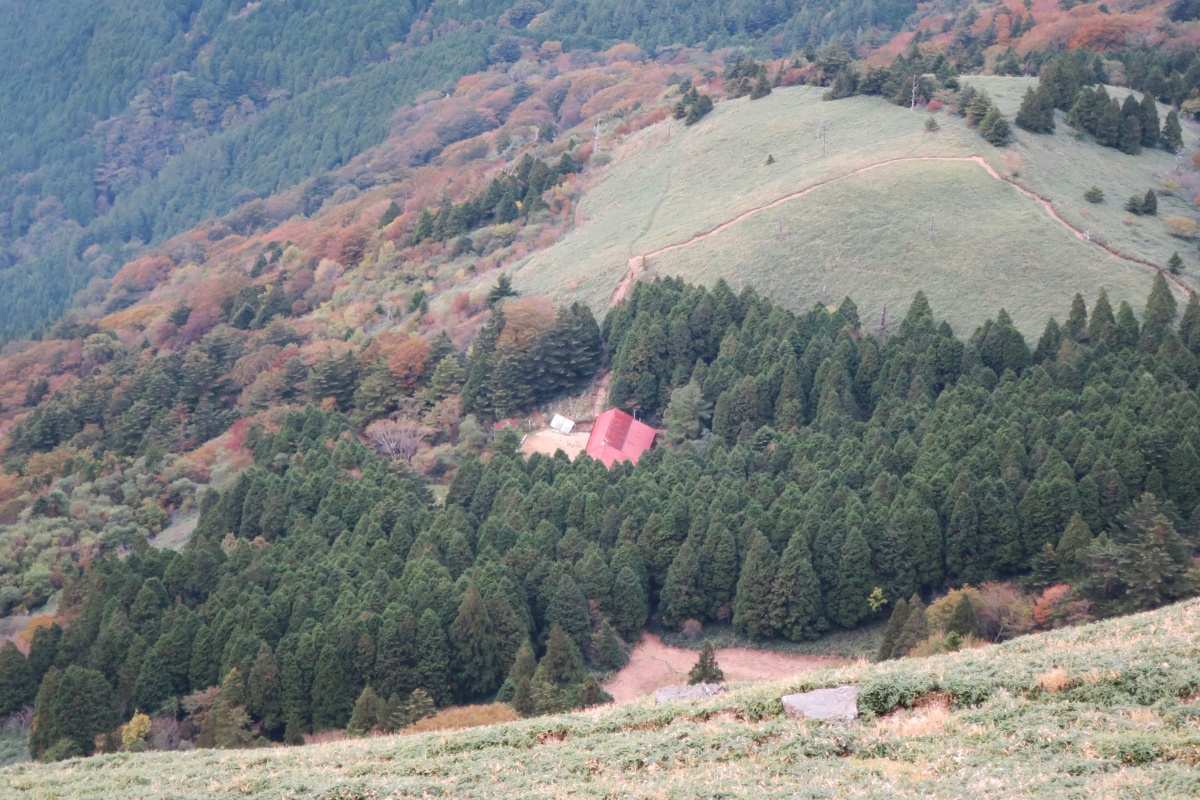
Across the world, mountain huts come in all shapes and sizes; from well-touristed huts of New Zealand and Europe’s iconic high-altitude “hotels” to the rustic sheep and cattleman shacks in Andorra and Australia. Japan is no different, with Yamagoya (山小屋) varying greatly in terms of style, facilities, service, and even maintenance.
Read on to discover the different types of yamagoya and brush up on essential etiquette. Heading into the Japanese mountains? We’ve also included hiking related kanji to help you stay safe.
Different goya for different folks
Yamagoya (山小屋), which translates to “mountain hut” or “mountain cabin”, is an umbrella term for any shelter built along a trail to host overnight hikers. During my time in Japan I noticed that locals rarely use the word instead preferring the more specific terms depending on the type of hut they are visiting. This makes sense, given you can often have multiple types of hut on the same site/same trail.
Yamagoya fall into two main categories:
- Staffed / commercial huts:
- They can be Yuujin-goya (有人小屋) “staffed hut”
- Commercially serviced Eigyou-goya (営業小屋) “commercial hut”
- sometimes known as Sansou (山荘) which literally means “mountain villa” and is actually just bit of a marketing/premium naming convention.
- A sansou is serviced by people BUT usually only seasonally
- they usually charge a fee, require advanced bookings, and often provide meals, drinks and bedding.
- Mujin-goya (無人小屋) “unmanned huts” or “unmanned shelters”
- Most are free, but a small maintenance donation is often appreciated or required
- Hinan-goya (避難小屋) are a type of “evacuation / refuge hut” reserved for emergencies or sheltering from the weather
- Staffed/commercial huts often have a Hinan-goya (or an unlocked winter room) nearby for emergencies when they are closed/out of season.
Less common hut types
- Toki-goya (冬季小屋) aka “winter room” are small emergency shelters located at some sites for when they close over winters, a version of an emergency shelter but specifically for winter closures.
- Shoja / Sanrojo (参籠所) are huts designed for pilgrims historically tied to Shugendō (mountain asceticism) or Shinto shrines (such as at Mt Ishizuchi)
- Mukanri-goya (無管理小屋) is a catch all term for any unmanaged or unmaitained hut
Etiquette and tips
Unmanned Huts & Emergency Shelters (Mujin-goya / Hinan-goya)
- Arrive early and make room for late arrivals: Never spread your gear out across the floor as if you own the space; pack tightly so that someone arriving in the dark or during a storm can easily squeeze in next to you.
- Make sure you donate: If the unmanned hut has a small metal collection box, drop in the suggested maintenance fee (usually ¥500 to ¥2,000). If you can afford to be in Japan, you can afford it.
- Pack out absolutely everything: Never leave unused food, empty gas canisters, or trash behind under the guise of “leaving it for the next person.
- Use only what you need and replace it: If you use wood, try and replace it. Use only what you need.
- Sign the logbook: Filling out the ledger with your name, date, will allow search-and-rescue teams can trace your steps if needed, but is also a cool little thing to read and leave behind.
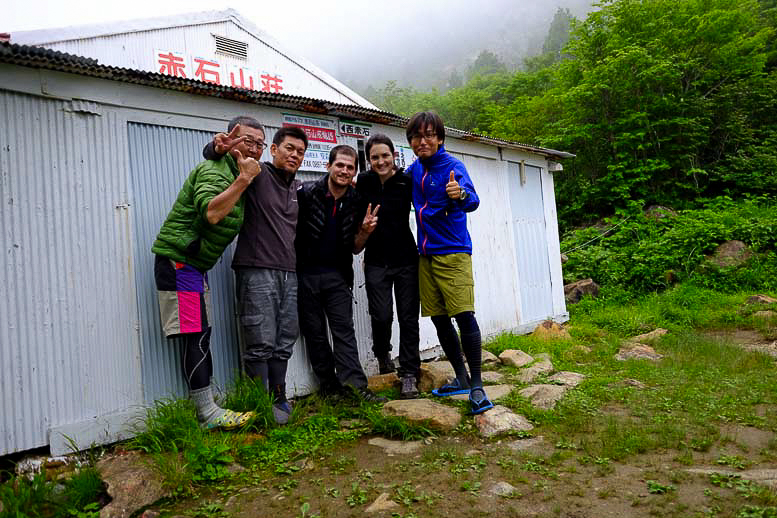
Staffed huts (Eigyou-goya / Sansō / Hyutte)
- Arriving early is polite: Aim to check in by 3.00pm to 4.00pm at the very latest so the staff can better prepare for communal dinner shifts. Allow extra daylight hike time in case it takes you longer than expected.
- Respect the rules/others: Lights out rules, for example, may apply with lights cut promptly at 8.00pm or 8.30pm. Remember you’re not the only guest. Be respectful if you have a few drinks and if you need to move around after hours, use a dim headlamp pointed strictly at your feet.
- Carry out your trash: Even though they serve meals, you may still be expected to pack out any wrappers, plastic bottles, or waste you personally brought onto the mountain. If you’re not sure, do as the other Japanese do.
- Don’t give us foreigners a bad name: Pretty simple. If you can avoid being a jerk, that would be great.