

So you’ve got all the gear you need and you’re ready to start hiking. But what should you bring to eat?
Lucky for you, dear reader, you’re in Japan! The land of kawaii, the land of convenience, the land of really-small-serving-sizes-and-individually-wrapped-items-that-are-usually-frustrating-and-wasteful-but-are-actually-perfect-when-it-comes-to-hiking!
Below are some quick tips along with example packing lists for day, overnight and multi-day hikes based mostly off things accessible from the nearest convenience store.
Japan Food Packing List
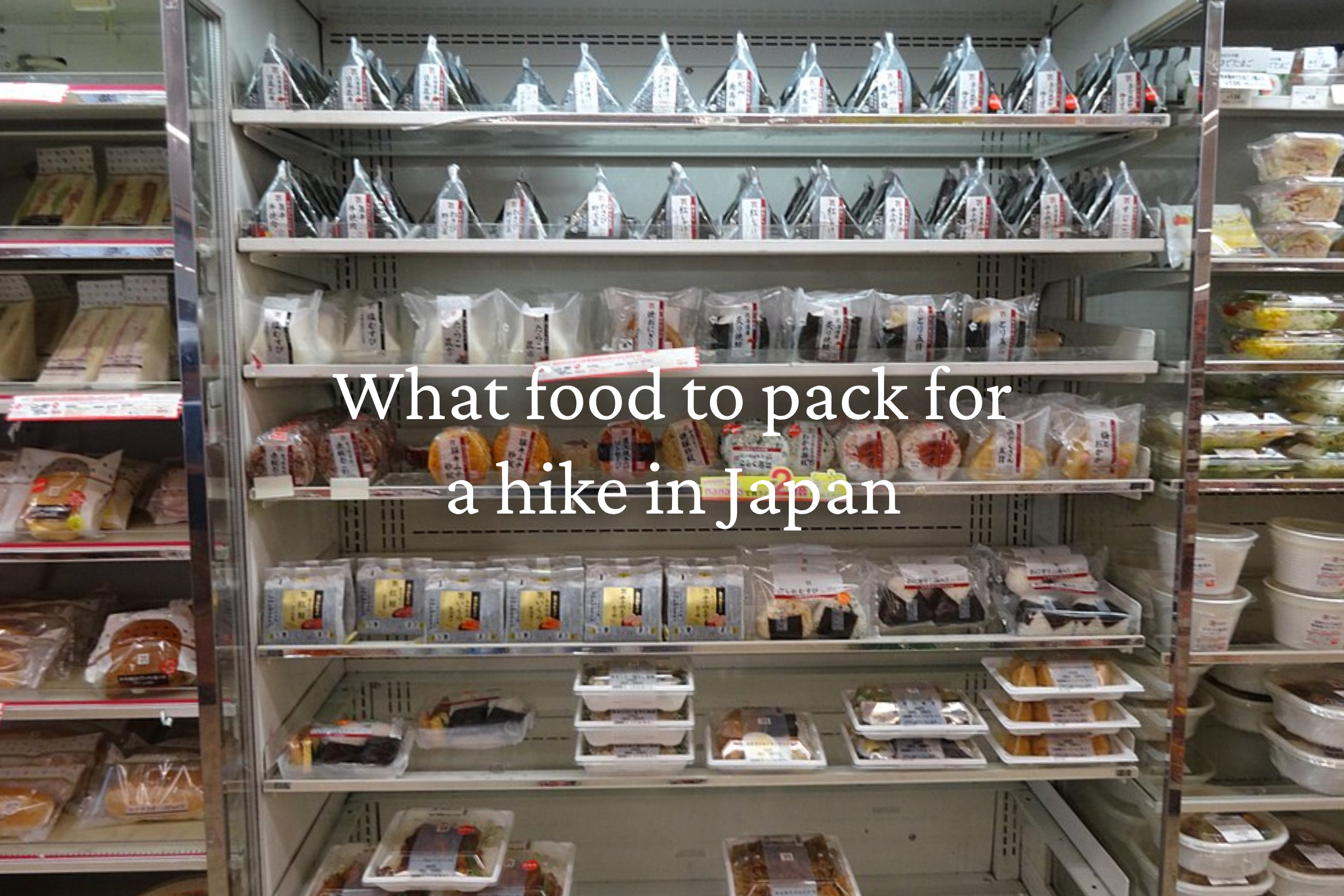
What you bring on a hike will always depend on your tastes and preferences, but here are some practical examples of foods you can find in most Japanese convenience stores (7-Eleven, Lawson, FamilyMart, Suehiro) or supermarkets that are great for hiking.
I’ve broken this down first for day hikes, then for overnight hikes and multidayers.
Day Hike
| Breakfast | Depending on the time you start you may eat breakfast before you start your hike on the first day, as such I’ve included some “squishy” items like the egg sandos that might struggle on a second day breakfast. Option 1 (No-cook) Conbini egg sandwich (tamago sando) or vacuum packet ramen eggs (ajitama), sweet melonpan or Calbee Fruit Granola with a pouch of milk. Option 2 (Hot cook) Instant dried tofu and miso packs, quick oats or Calbee Granola (just add boiling water and/or milk). You could literally just also bring instant ramen or instant udon. |
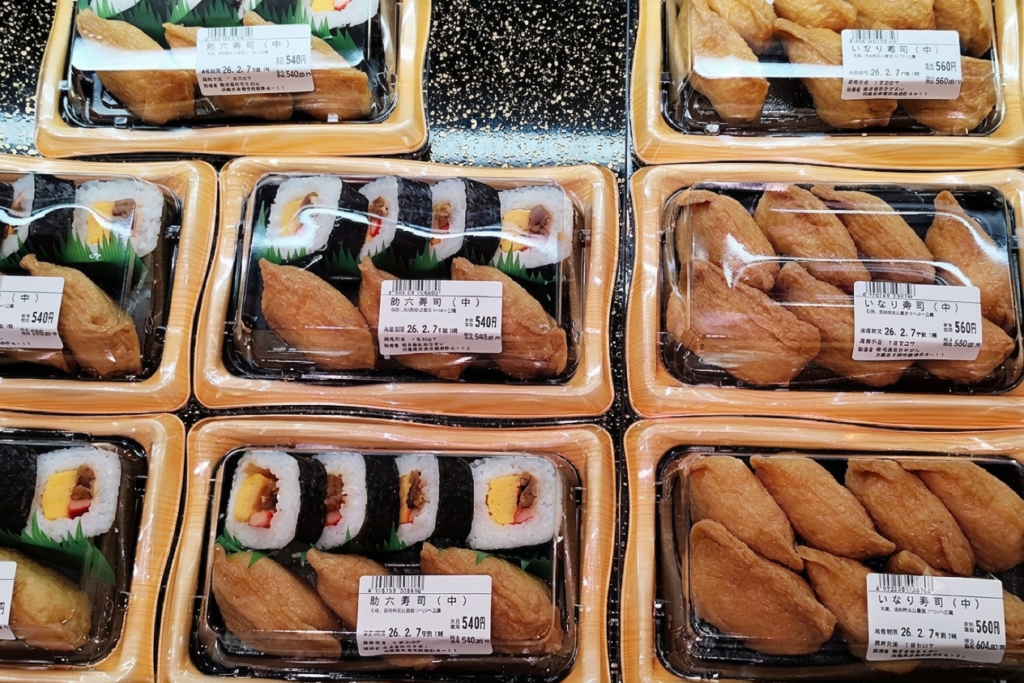
| Lunch | While everything tastes better when you’re hiking, you’ll still want something that you enjoy and fills you up. Option 1 (Less likely to squish) Ritz crackers or mini French bread slices paired with foil tuna pouches, canned mackerel (saba), or spreadable cream cheese. Option 2 (More likely to squish) Conbini wraps with shredded cabbage, cheese, and sliced ham (various types are common in the supermarkets and these are more durable than sushi rolls) or pre-packaged inari-zushi (sweet tofu and rice) |
| Snacks (morning/ afternoon tea) | Pack more durable foods for longer or overnight walks as things like onigiri below won’t last as long unrefridgerated. Option 1 (for shorter hikes) Bananas, 2 x Onigiri (Umeboshi, Tuna-Mayo, or Salmon), or 6-pack cheese blocks/cheesesticks. Option 2 (for longer hikes) Pre-packaged mixed nuts and dried fruit or packaged lollies (gumi グミ as they call them), rice crackers (senbei) or mini soy-sauce rice cakes, or energy bars like CalorieMate/SoyJoy. They might not be everyone’s favourite thing, but a CalorieMate “back-up” calorie bomb if you get desperate on steep climbs/are taking longer than expected is always great. They come in bar and jelly form. I am also partial to the grape gumi lollies (with collagen to keep you beautiful) to keep me motivated uphill. |
| Water / hydration | It is common knowledge in places like Australia to carry at least 2 litres of water per day for a hike. Japan itself can get quite hot and humid so I recommend always carrying a few 1 litre bottles with you (per person!). I’ll also often drink something like Pocari Sweat on the way to my hike, and make sure I’m well hydrated before setting off on the trail. |
Overnight Hike
Take the Day Hike food (above) for each day of hiking, PLUS a main meal made up of carbs and a protein.
| Dinner | Take the Day Hike food (above) for each day of hiking, PLUS a main meal made up of carbs and a protein. Carbs: 3-minute quick-cook ramen, soba, or thin pasta noodles (200g–250g pack serves 2) Protein: Vacuum-sealed salad chicken breast, mini salami bites, fish sausage, or a bag of roasted cashews Sauce/base: You’ll find small boxes of prepackaged sauces “retort pouches / レトルト食品” are quite common in Japan’s supermarkets and convenience stores. From curry to egplant stirfry and mabo dofu these packets are a lifesaver – with so many options from brands like House Foods, S&B, MUJI and 7&i you’ll likely never run out of tastes. |
| Optional extras to spice up your meal: | These optional inclusions can help to make any main meal a bit nicer. Veggies: Freeze-dried mushrooms, dehydrated soup veg packs, or dried nori/seaweed flakes Seasoning: Dried garlic flakes, shichimi togarashi (seven-spice mix), or why not go full Japan and bring a shaker with some MSG for a bit of zing if the meal prep goes wrong. |
| Drinks to enjoy after meal or at sunset. | I always carry a few drink options especially for overnight hikes: – single-serve drip coffee bags (e.g., Blendy or Key Coffee) – green tea sachets – freeze-dried instant miso soup packets – cocoa powder sticks (or milo) Need something stronger? I’m partial to bringing a small 50-200ml flask of Nikka whiskey Asahi beer as well – I always regret that sunset view when I don’t. |
For multi-night hikes: take all of the food above multiplied by EACH day you’re on the trip. If you use this formula you’ll have an extra night of “emergency” food which can be kept if you get lost, come home late, or burn your food.
Kitchen kit & stove
- Kitchen Kit: Knife, bowl, frypan orpot, chopsticks or spork, lighter or matches, cleaning cloth, small camp soap, hand sanitizer. These can be purchased cheaply from stores like Montbell, Sports Depot or even Daiso!
- Gas Cooker: If you want a hot meal (and you will) you might need to invest in a decent lightweight gas cooker (purchased from Japanese outdoor stores like Montbell, Sports Depot or Victoria L-Breath for under 5,000 yen).
Quick tips
- A hiking diet is different to a normal diet: Carbs and high-energy foods and foods with more fat will maintain your energy while hiking.
- Bring the food you enjoy: Now is not the time to force yourself onto rice and water.
- Bring only what you need: Have a 1kg bag of cashew nuts? Repackage it into smaller zip-lock bags. Avoid cans and heavy items. You have to carry it all out.
- Buddy up: Split meals between a group or partner. You don’t all need a bag of coffee.
- Double bag and keep liquids separate: Consider double bagging liquids (extra water, soap) and keep them separate from your food.